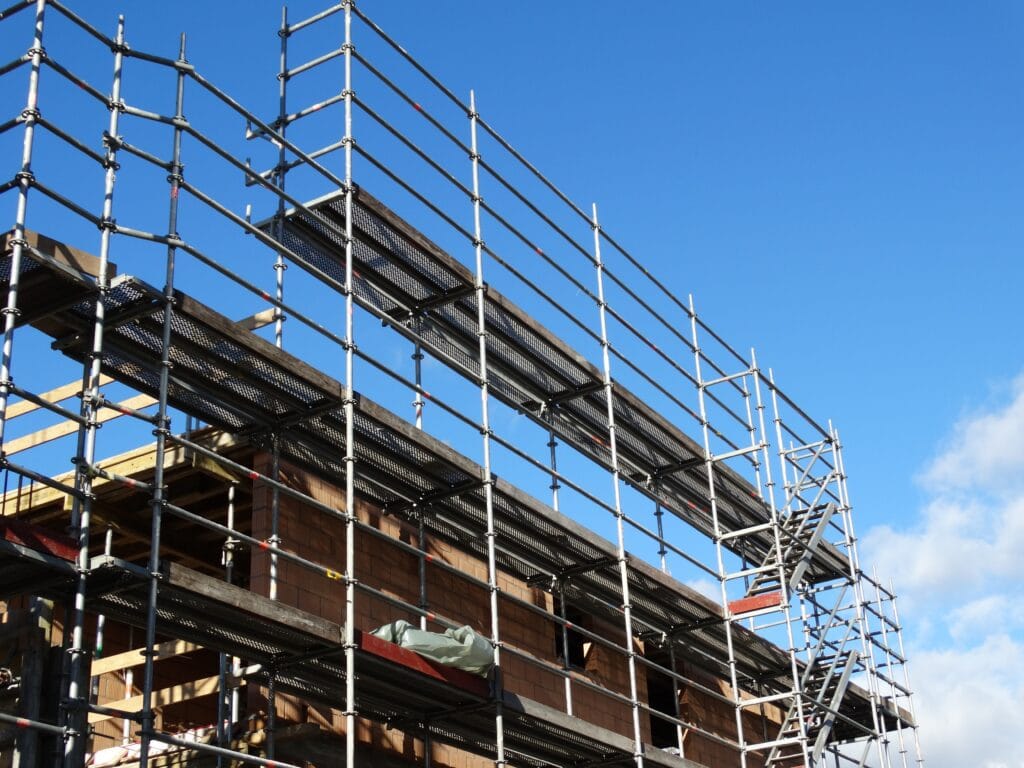
What You Really Need to Know About Scaffolding on the Job Site
If you’ve spent any time in construction, you know scaffolding isn’t just some metal poles and planks—it’s the backbone that lets you reach high places safely and get the work done. Whether you’re painting the outside of a two-story house, tuckpointing brick, putting up siding, or working on a bigger commercial build, the right construction scaffolding makes life easier and (most importantly) keeps everyone from taking a bad fall.
There are a few main types of scaffolding you see most often. The classic frame scaffolding (sometimes called mason scaffolding or system scaffolding) is super common because it’s quick to set up and pretty sturdy for everyday jobs. Then you’ve got rolling scaffolding—those mobile towers with wheels that are perfect when you need to move around a lot, like inside a warehouse or big retail reno. For really tall or tricky spots, suspended scaffolding hangs from the roof or upper levels, and tube and clamp scaffolding gives you tons of flexibility for odd shapes or historic restoration work.
A lot of folks starting out wonder: should I buy my own setup or go for scaffolding rental? Honestly, unless you’re running scaffolding crews full-time, renting usually makes more sense. You get the newest gear that meets current OSHA rules, you don’t have to store a mountain of frames in your yard, and most rental outfits deliver and pick up. Plus in 2025–2026, a lot of rental companies are bringing in lighter aluminum systems and even some smart sensors that warn you about overloads or movement—pretty handy stuff.
But none of that matters if scaffolding safety gets ignored. Falls from scaffolds still cause way too many serious injuries every year. The basics haven’t changed much: always have a competent person inspect the whole thing before anyone climbs up, make sure it’s level and on solid footings (no cinder blocks or random scraps), never exceed the load rating, and use guardrails or personal fall arrest systems once you’re 10 feet or higher. Tie off tools so nothing drops on the guys below, wear your hard hat, and don’t race up the frame like it’s a ladder—use the built-in access points.
Bottom line? Good scaffolding isn’t about fancy bells and whistles—it’s about having a stable platform so you can focus on the actual work instead of worrying about crashing down. Take the time to set it up right, train the crew, and keep it inspected. Do that consistently and the job goes smoother, faster, and a whole lot safer.
Need scaffolding rental near you or tips for your next project? Hit up a local supplier who knows construction—they’ll steer you toward what actually works on real job sites